Home
Cutting-edge studies
in space sciences
Fascinated by space
We develop theoretical models and technologies to understand the Universe we live in, how it formed and evolved, and how it behaves.
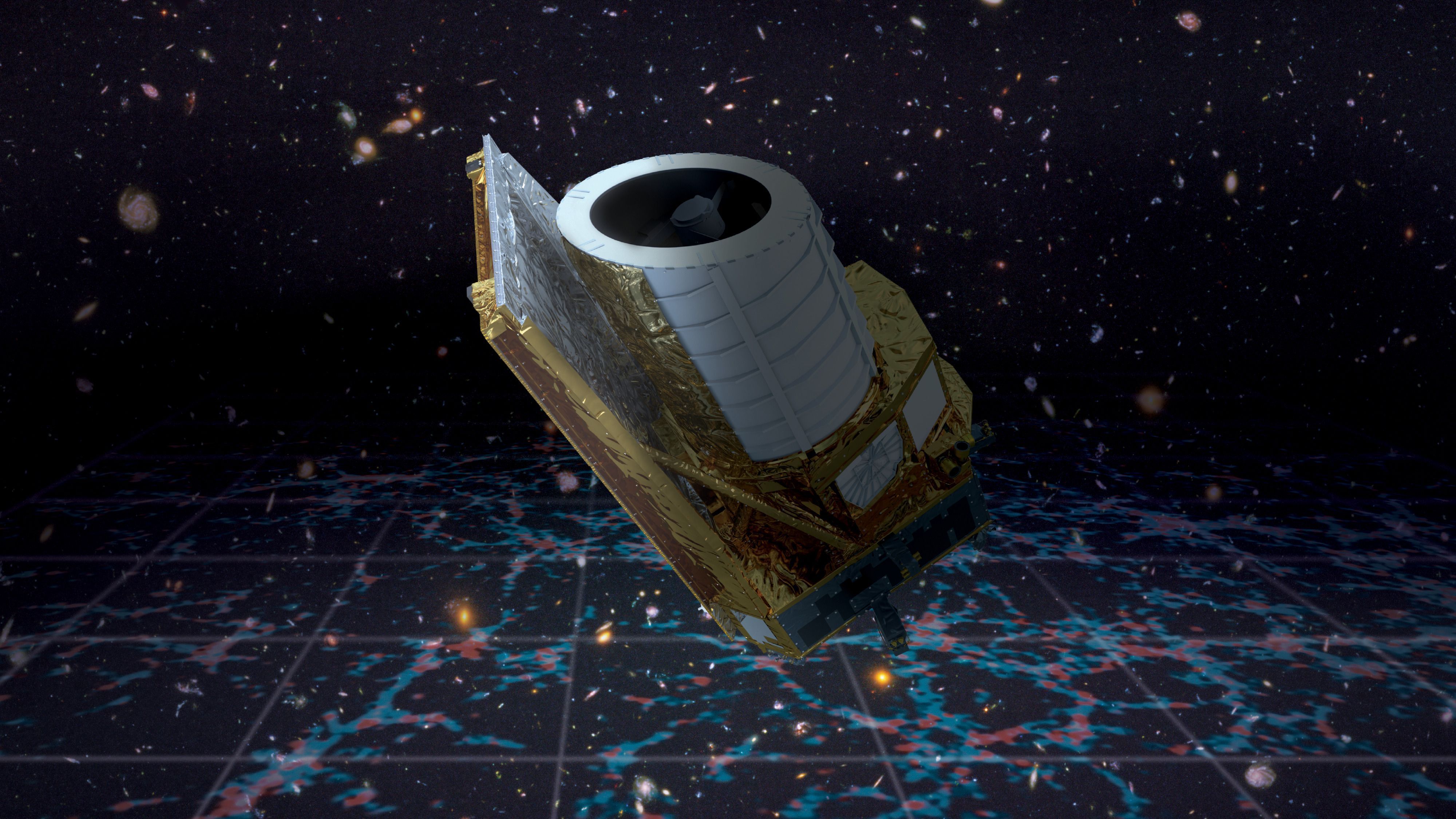
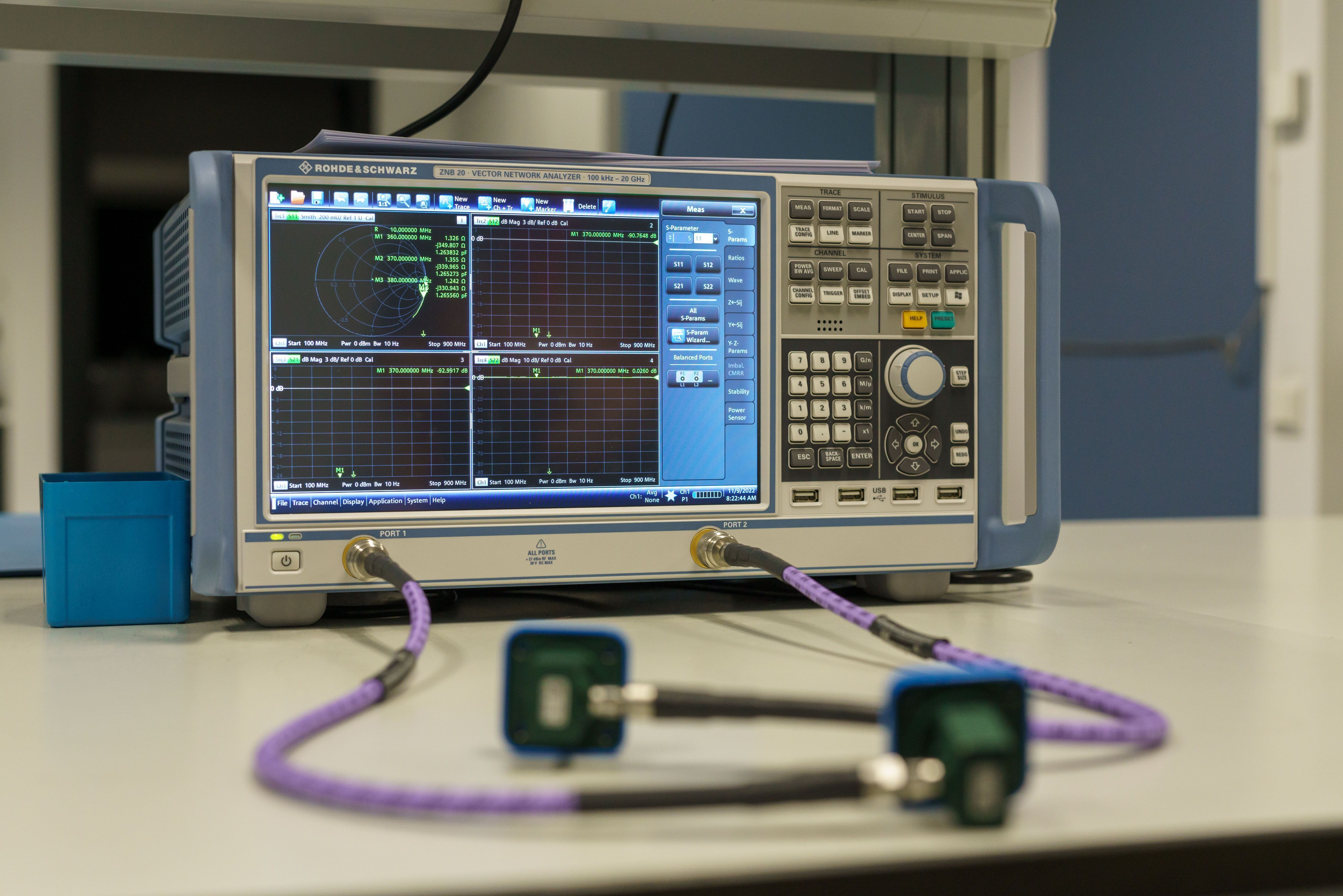
An institution of excellence
The Institute of Space Sciences has been awarded the 'María de Maeztu' distinction of excellence. Discover more about the award and browse related available positions.

Recent news
Follow us to be informed of all our news & events.
-
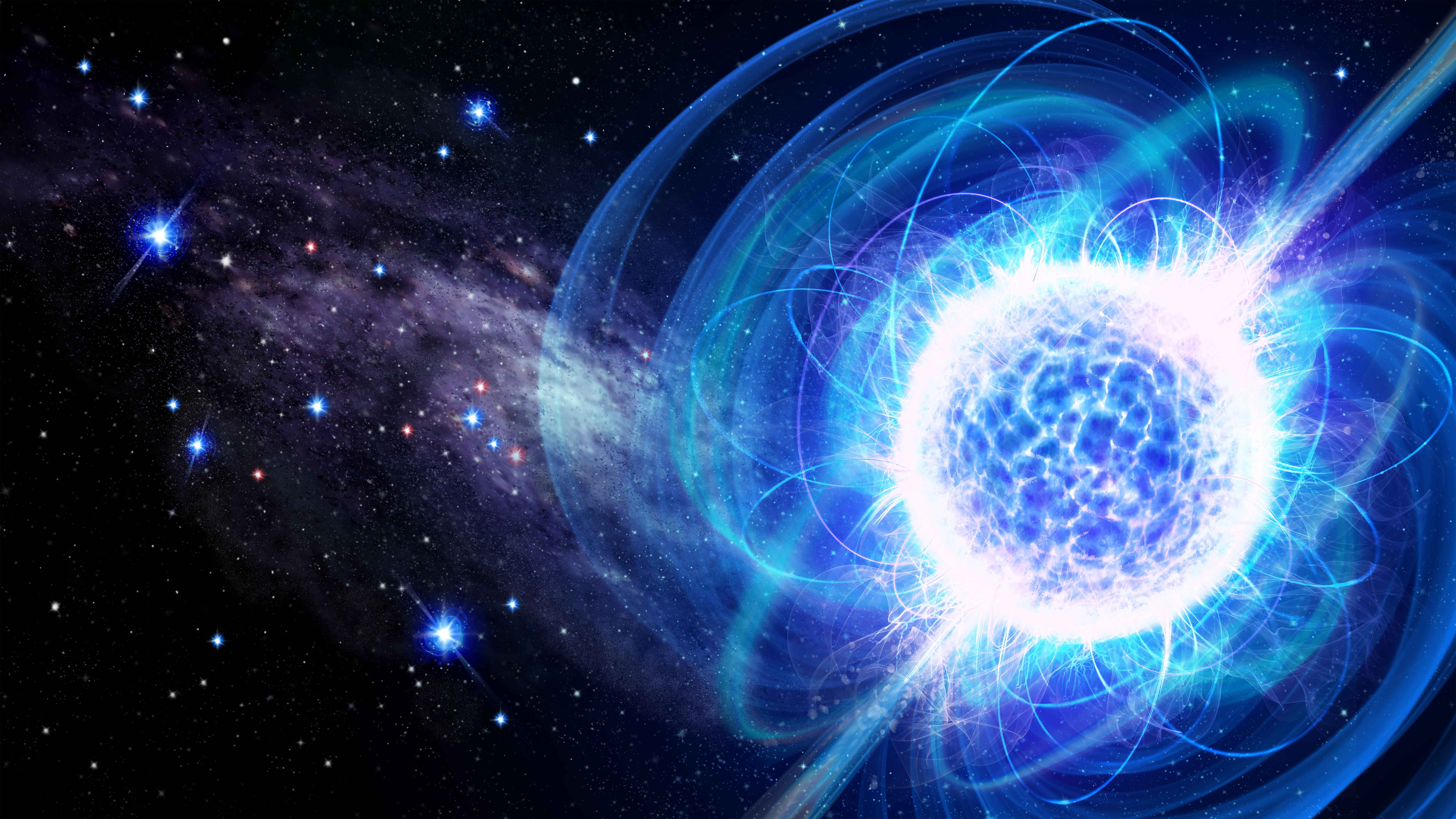
Half of the neutron stars could be magnetars, celestial objects capable of powering some of the most extreme phenomena in the Universe
10/09/2026
-
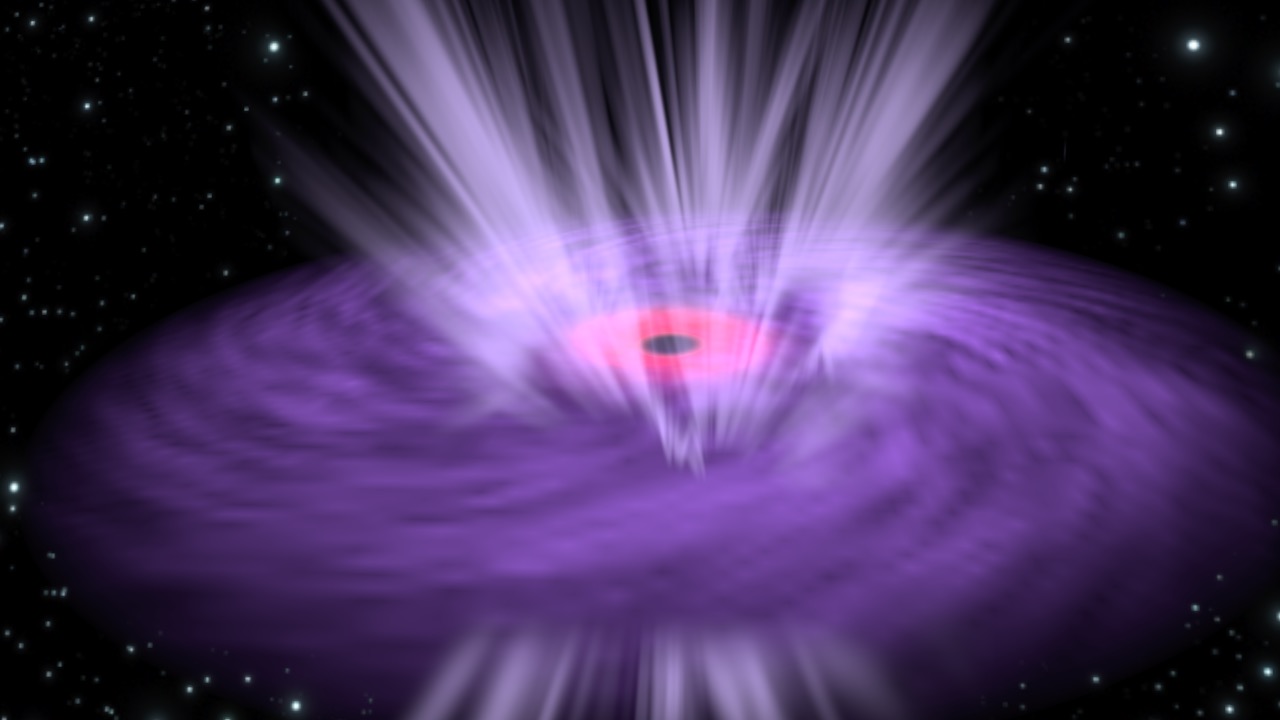
Ultra-fast black hole winds detected for the first time in a 'dead' galaxy
08/09/2026
-
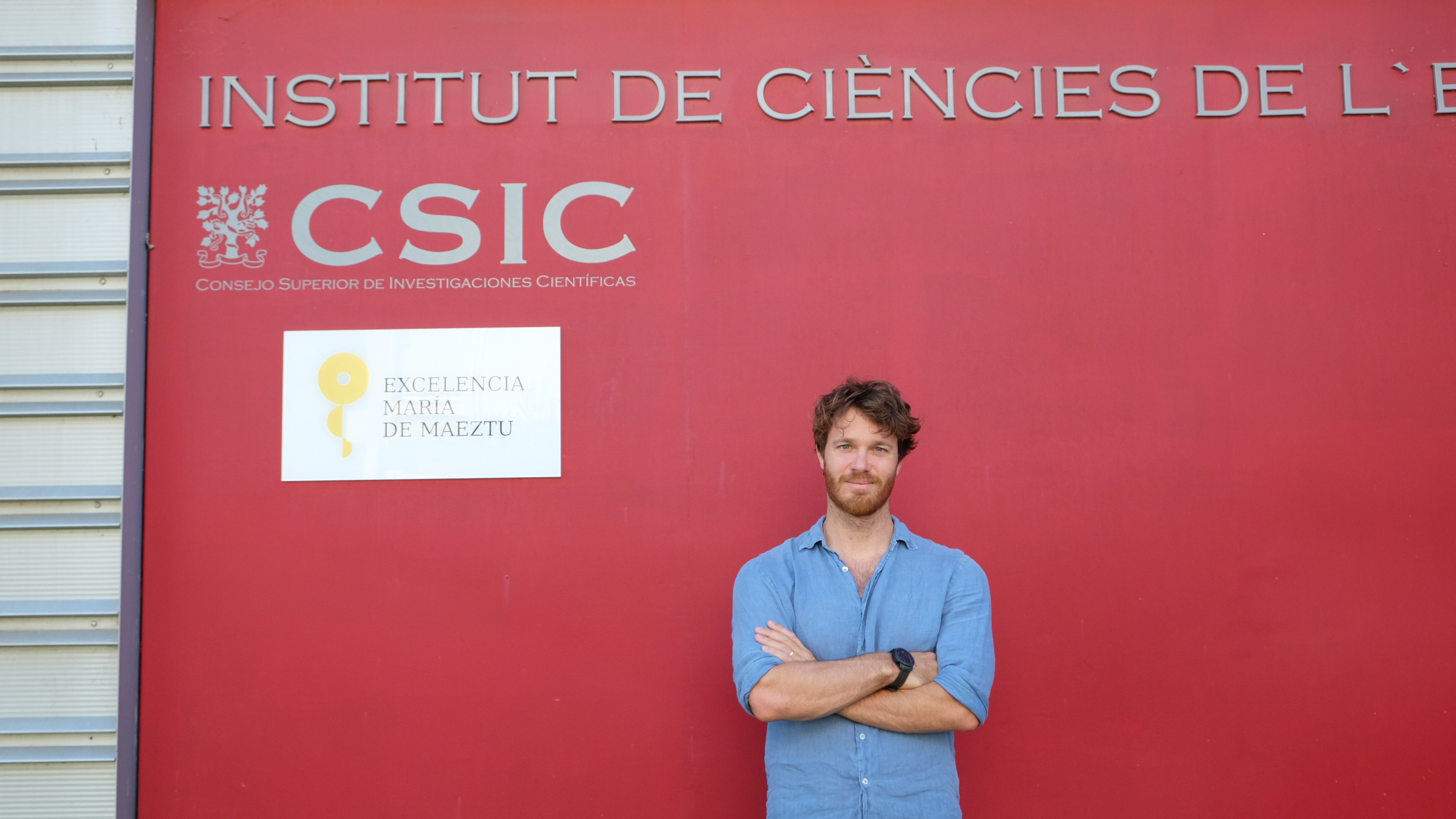
ICE-CSIC researcher Marco Gatti receives an ERC Starting Grant to develop a new approach to precision cosmology
03/09/2026
Events

Join us in our seminars and outreach activities.
-

Scientific events at ICE-CSIC
-
External & Outreach events
-
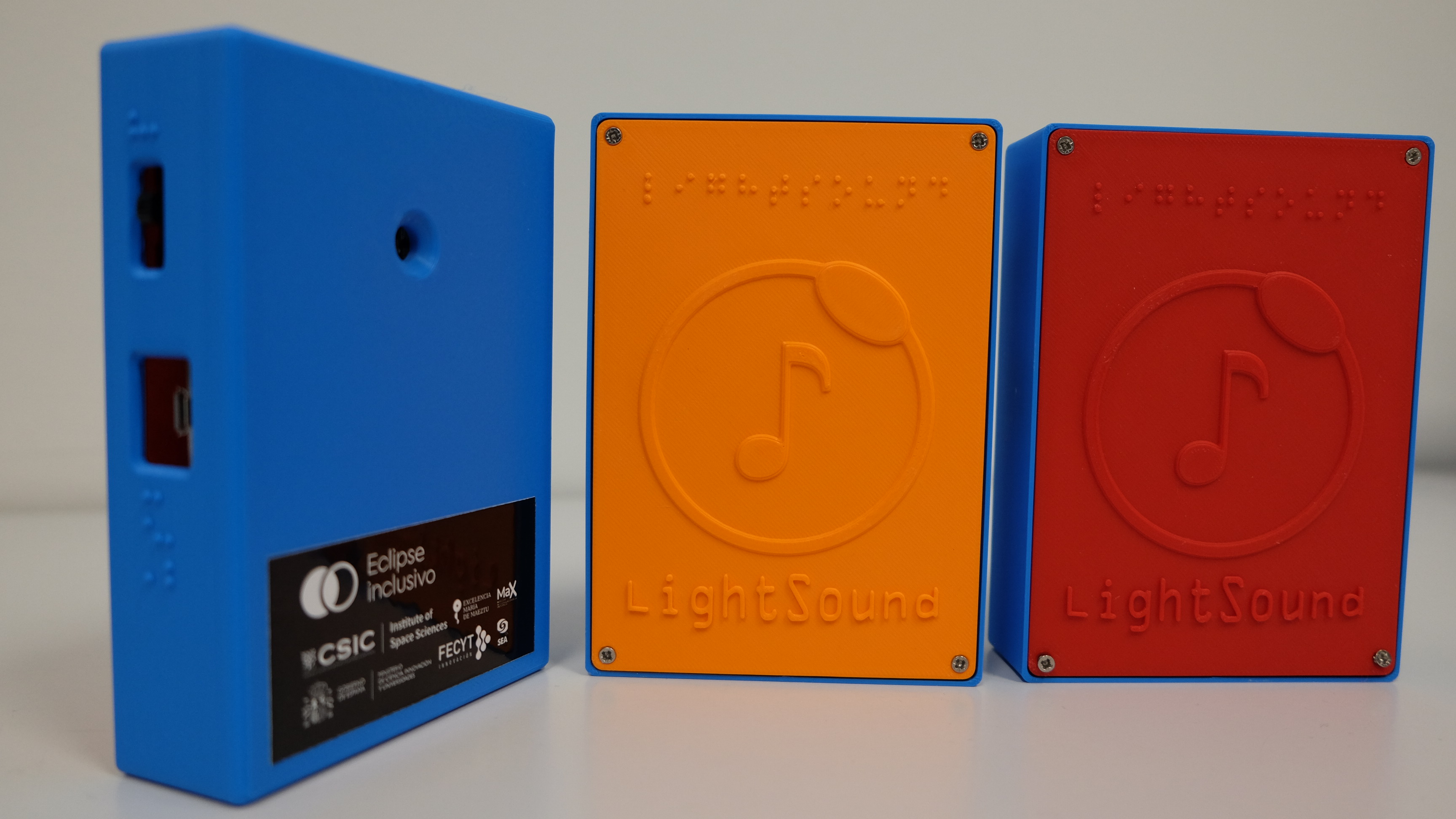
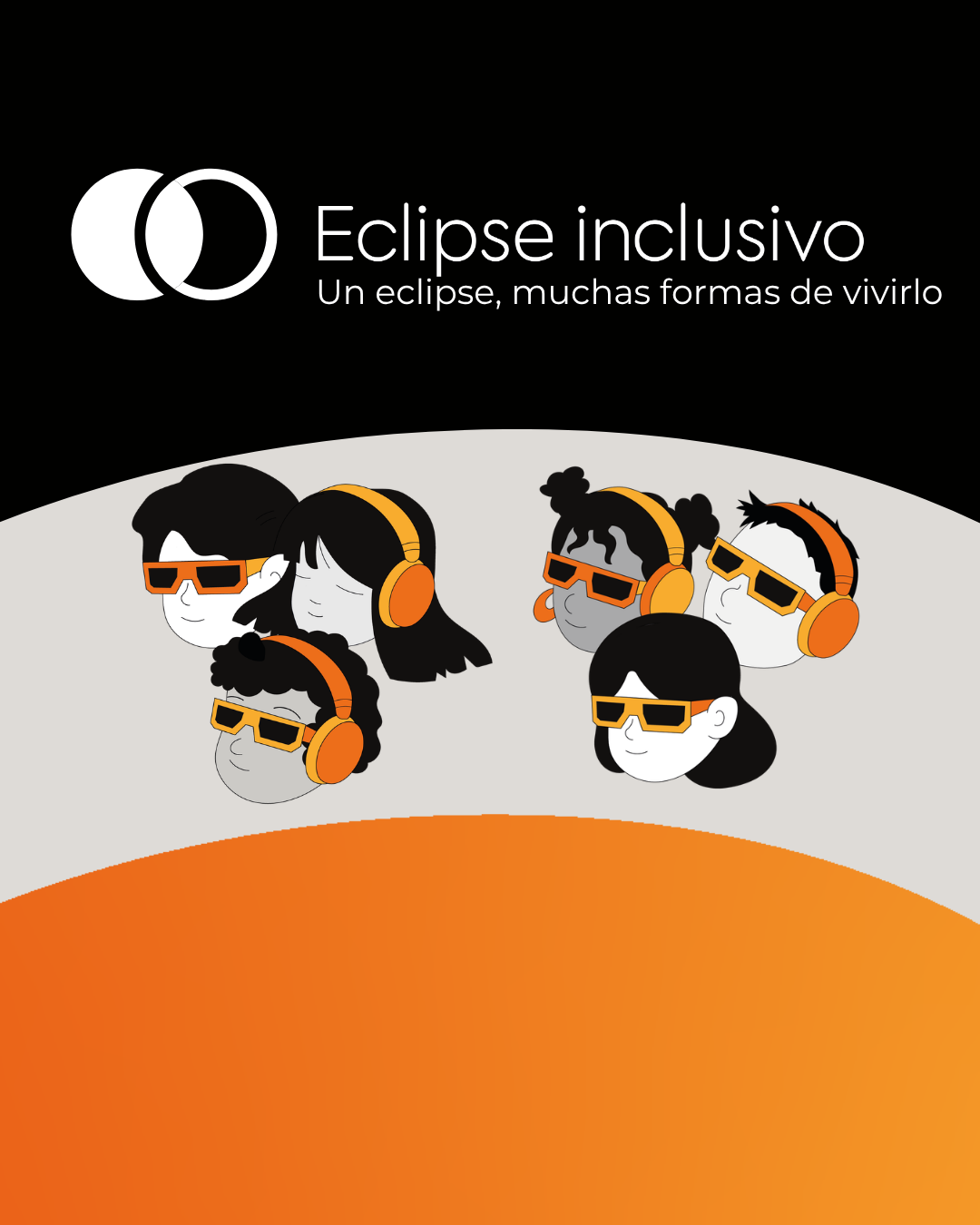
Inclusive solar eclipse observation in Reus
August 12 | Eclipse Inclusivo
Highlights

Featured results & accomplishments by our researchers.
-
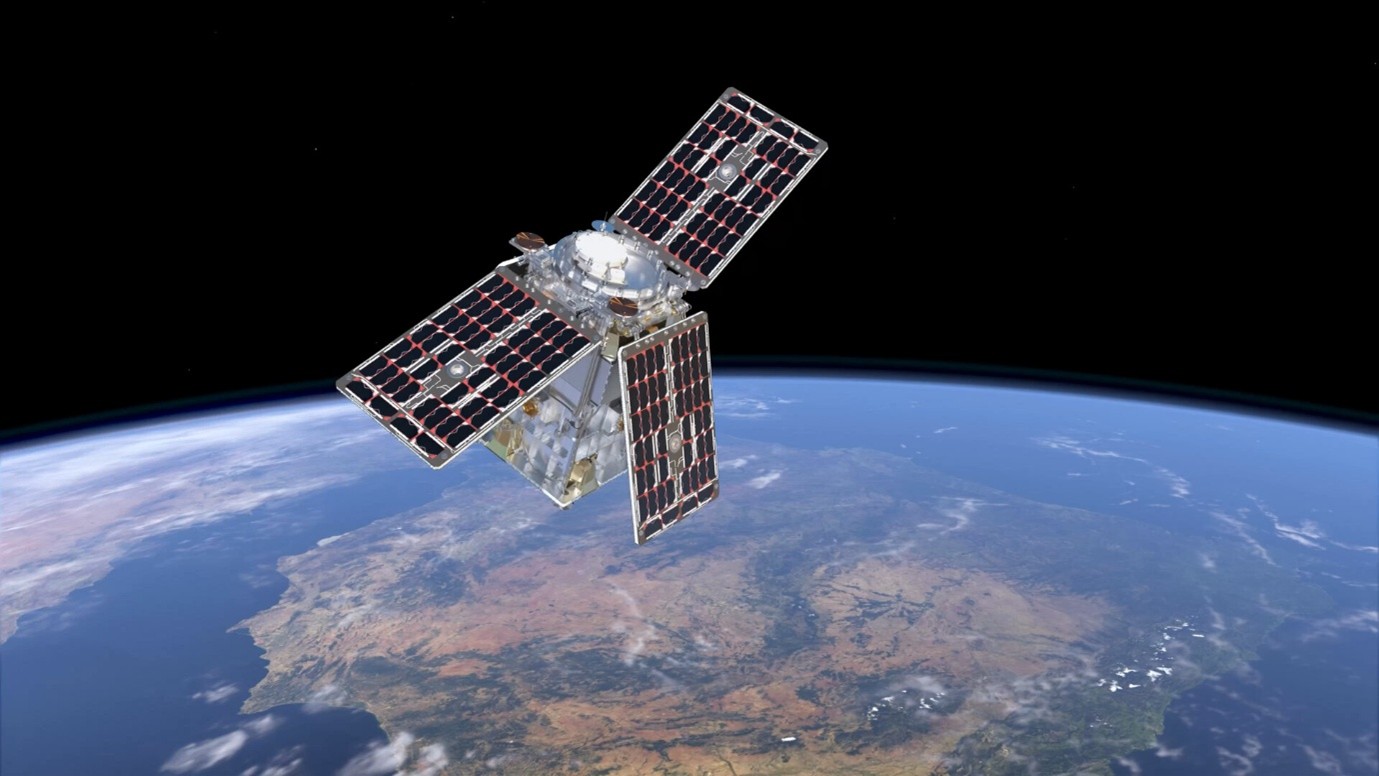
ESA’s HydroGNSS mission publishes data to deepen our knowledge on Earth’s water cycle
14/08/2026
-
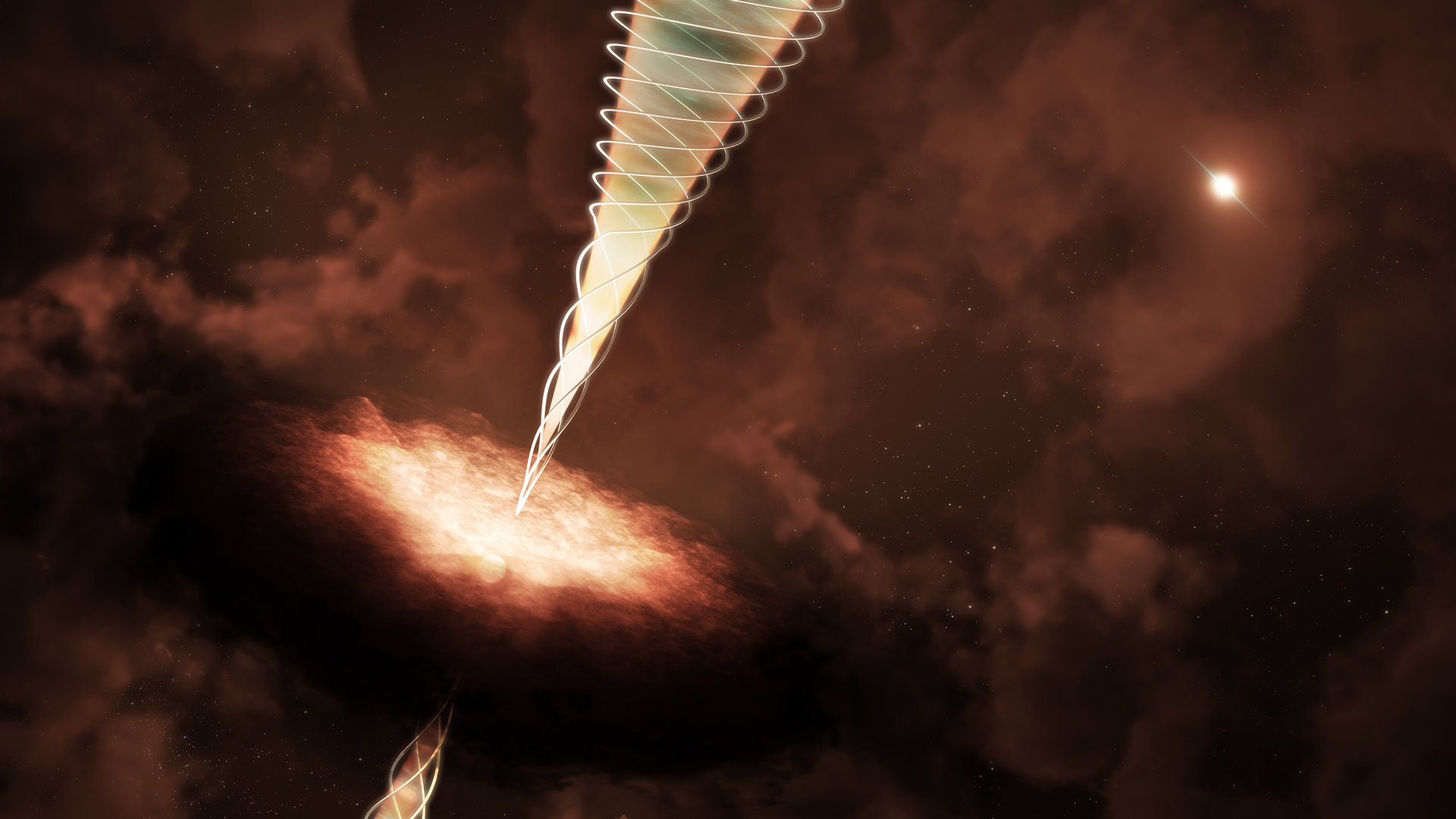
A team of astronomers solve a 30-year-old stellar mystery
11/08/2026
-
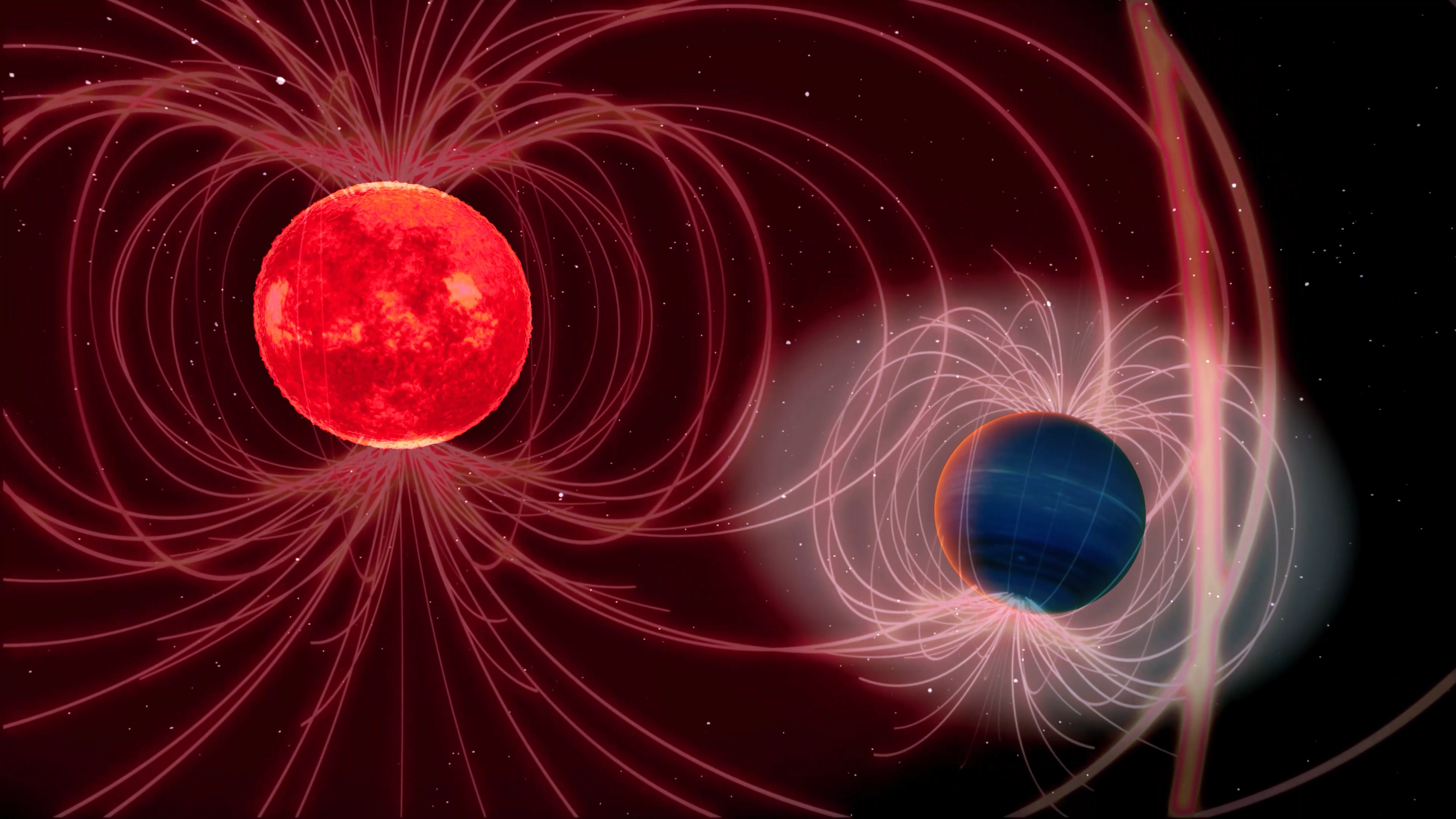
A study reveals the strongest evidence to date of a magnetic field on an exoplanet
25/06/2026
Read our content in Catalan and Spanish



#ICEpeople
The new faces at the institute. Welcome, everyone!
-
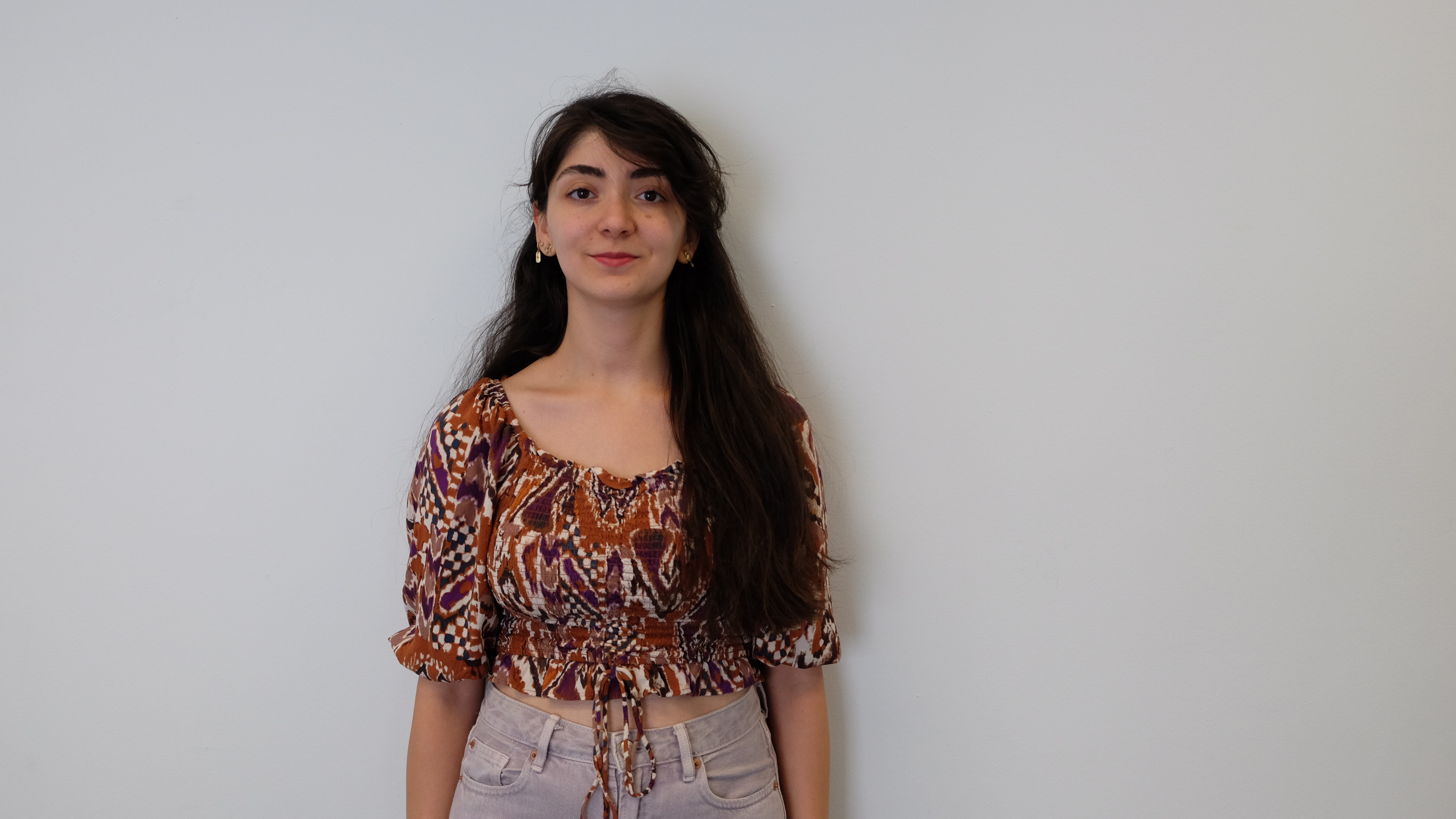
Ouldouz Kaboud
Ouldouz Kaboud has recently started her PhD at ICE-CSIC, where she studies the low surface brightness Universe, with a particular focus on intracluster light in galaxy clusters. Her research aims to understand what this diffuse stellar component can tell us about the formation, assembly, and dynamical evolution of galaxy clusters.
-

Aaron Maas
Aaron Maas' research focuses on high-energetic radiation and its impact on planetary atmospheres as well as microbial life. He works in between the fields of astrophysics, astrobiology and medicine and attempts full integration of interdisciplinary methods. His ultimate goal is to understand evolution in both stars and life in general, to infer possibilities of microbial atmospheric engineering.
-

Alice Deconto-Machado
Alice Deconto-Machado is a Juan de la Cierva postdoctoral fellow who studies the physics of quasars and active galactic nuclei (AGN). Her research focuses on understanding how black holes accrete matter and drive powerful outflows, such as broad absorption line winds and ultra-fast outflows, and how these energetic phenomena can influence the evolution of their host galaxies. She combines optical and ultraviolet spectroscopy, multi-epoch observations, and large spectroscopic surveys to investigate the properties, variability, and physical conditions of AGN outflows across cosmic time.
-
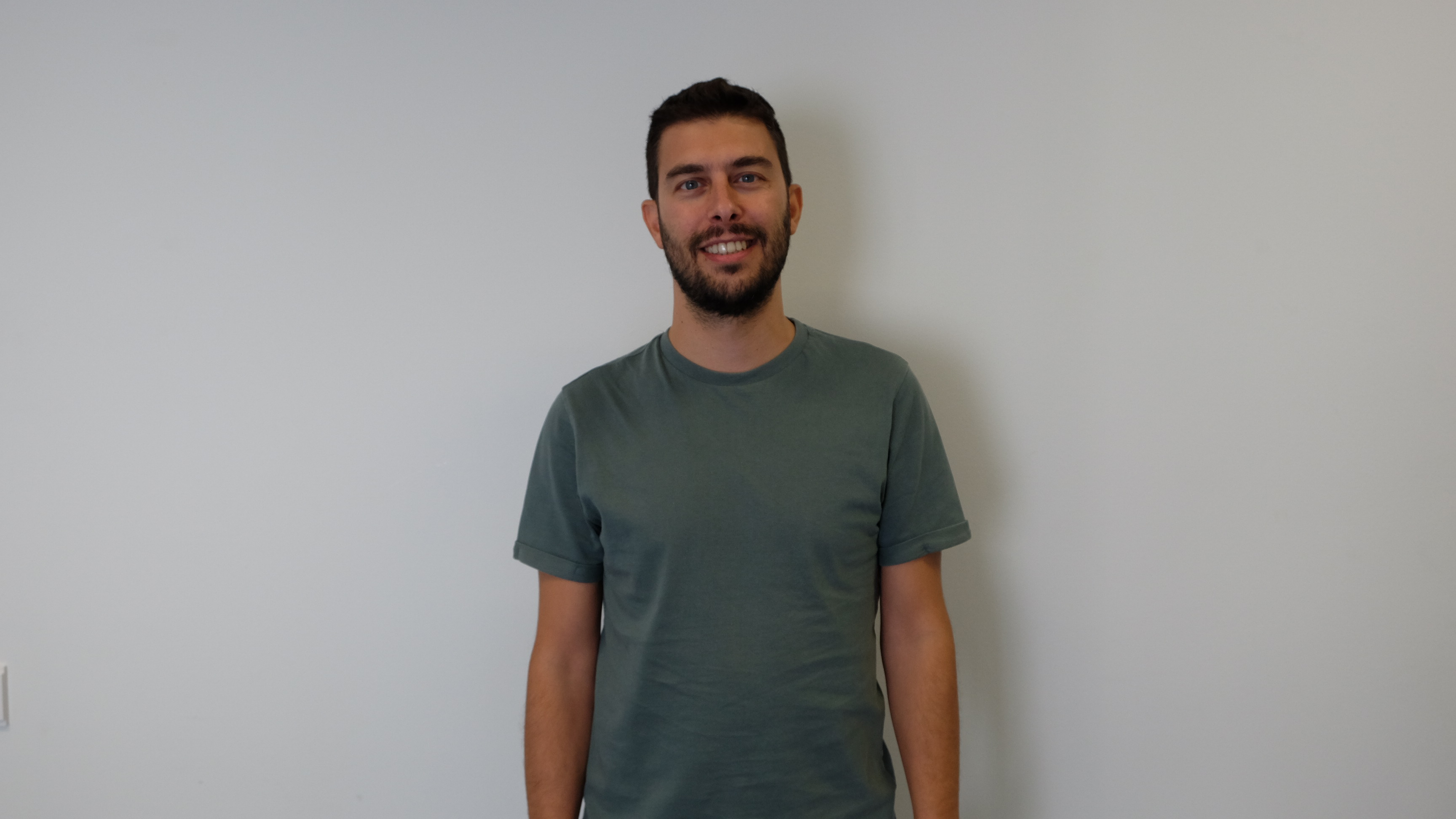
Manos Zapartas
Manos Zapartas is a Junior Leader “la Caixa” postdoctoral Fellow studying how binary interaction shapes the evolution of massive stars and their final explosions as supernovae. His work combines predictions from detailed stellar and binary-population modelling with supernova observations, using tools such as the POSYDON binary population-synthesis framework, of which he has been a core developer.
-

Malgorzata (Gosia) Siudek
Malgorzata (Gosia) Siudek's research focuses on exploring how galaxies and their central supermassive black holes evolve across cosmic time, using large galaxy surveys, multi-wavelength observations, and artificial intelligence. She develops AI-driven approaches to uncover hidden connections between galaxies, black-hole activity, and the cosmic web, with the goal of understanding how galaxies and their central black holes grow and evolve together.
-
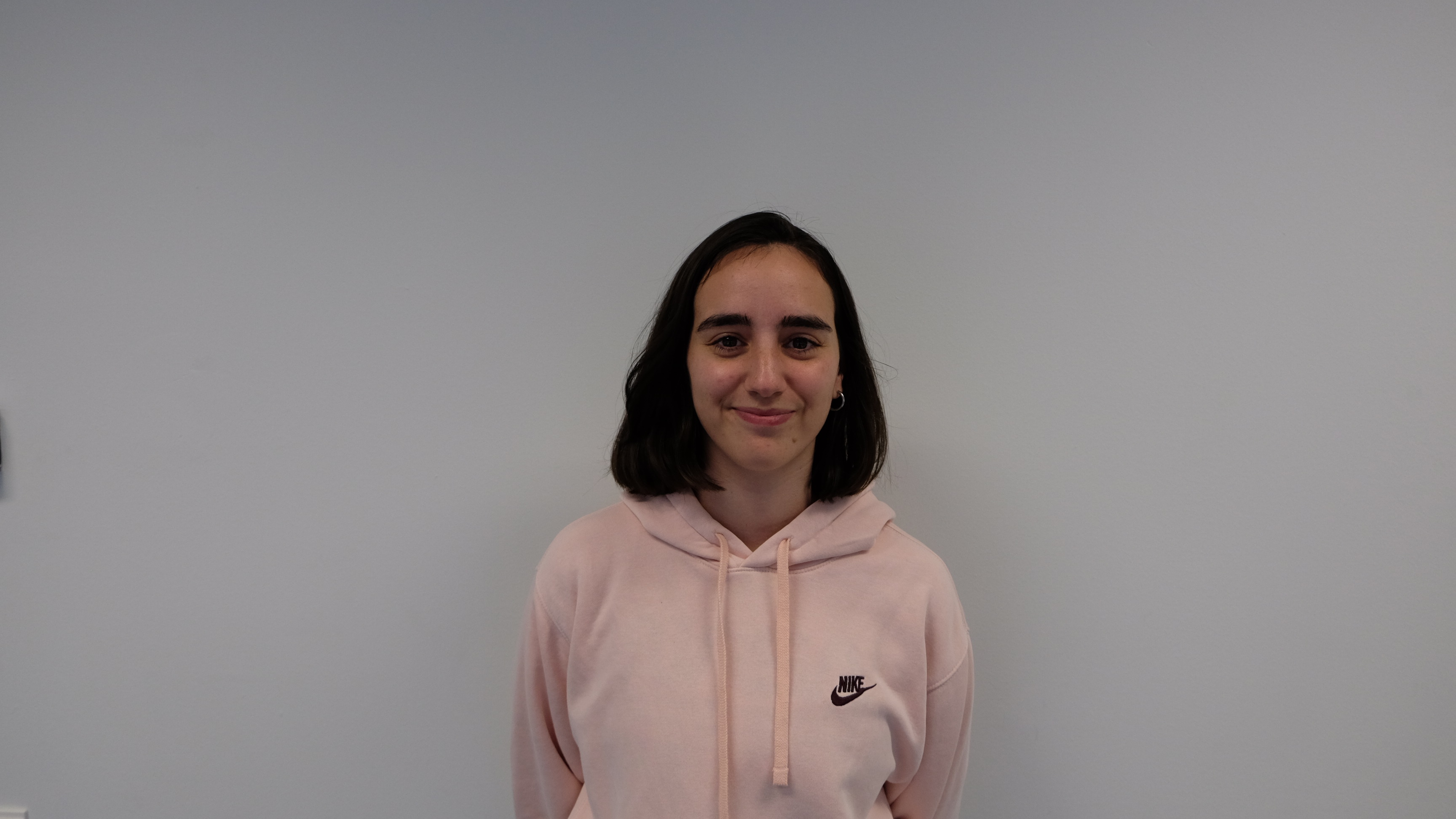
Marina Pastor
Marina Pastor's work at the ICE-CSIC focuses on supporting the measurement of Birkeland currents within the ILIADA mission, the in-orbit demonstrator of LISA. To achieve this, she is developing an algorithm to model the magnetic field measured by ILIADA in space.
- Visto: 483776